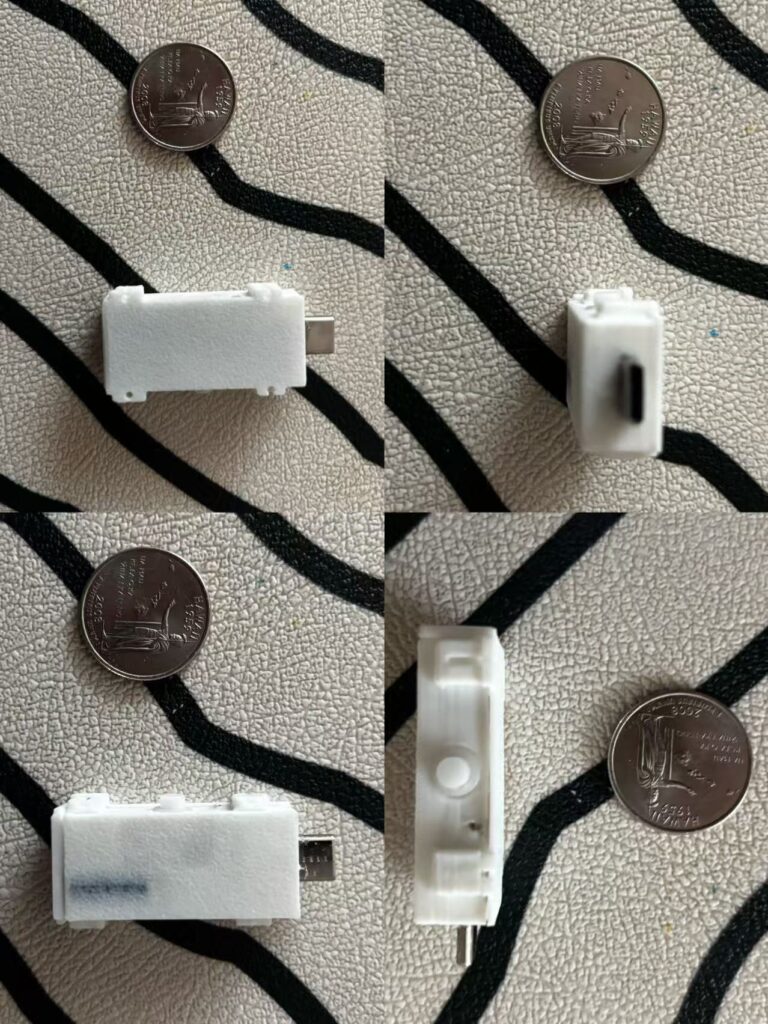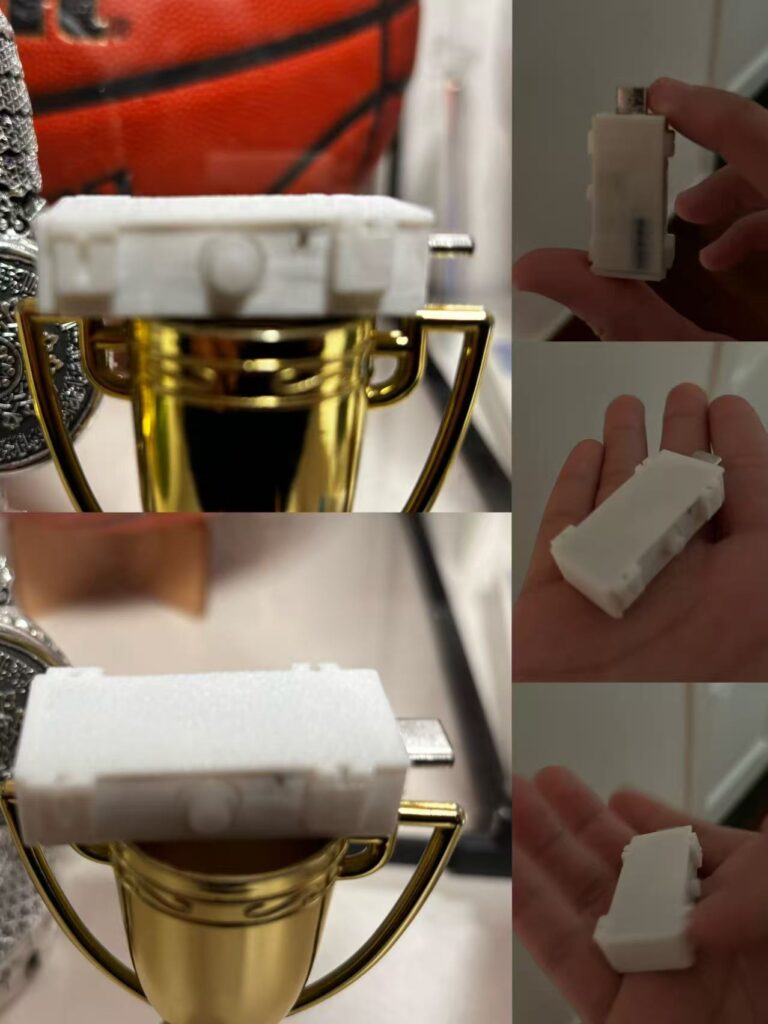
The USB project was something I designed myself in the iLab at school. My inspiration came from “Flipp,” a manual coding device I had seen before. That sparked a thought: what if a USB could be designed in a completely different way, carrying special circuits inside it?
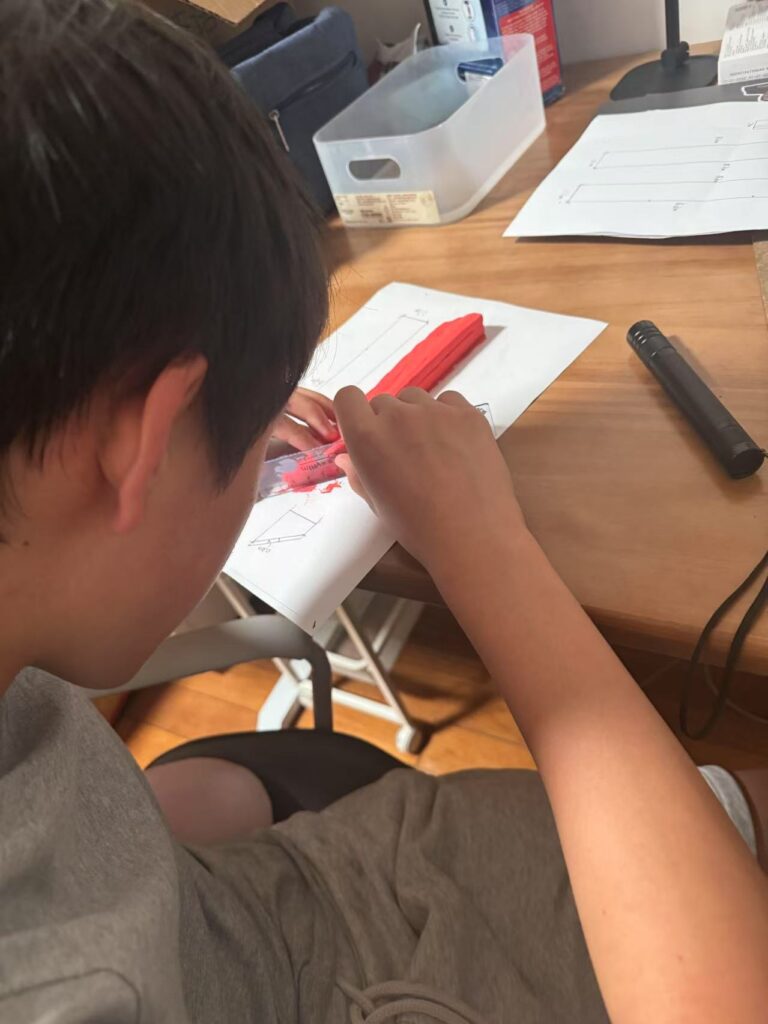
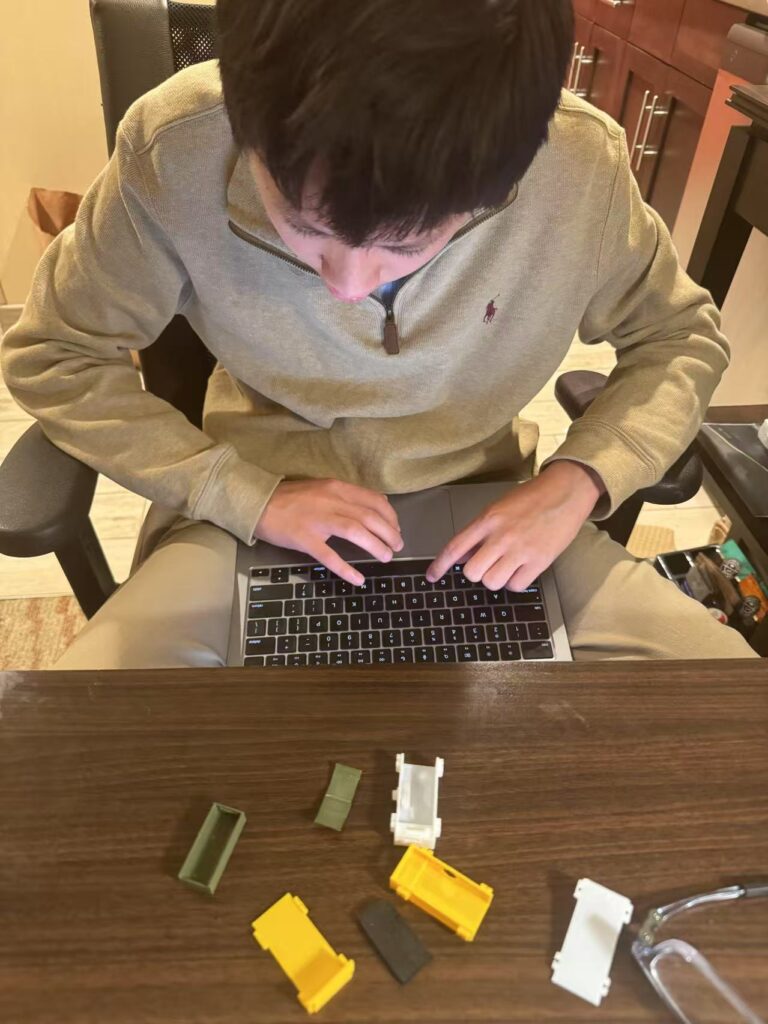
I began sketching my ideas. First, I ordered capacitors and USB connectors online. Then, using design software, I drew a structure that could fit both the capacitors and wires inside a small USB stick. My goal was to make it compact, lightweight, and easy to carry.
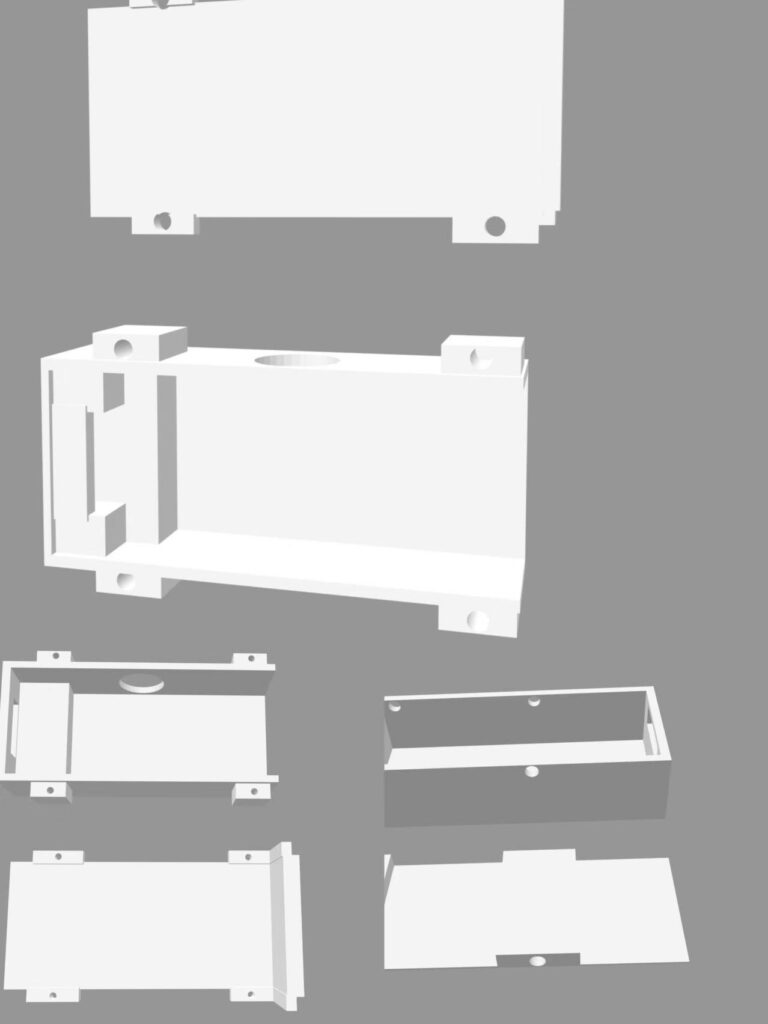
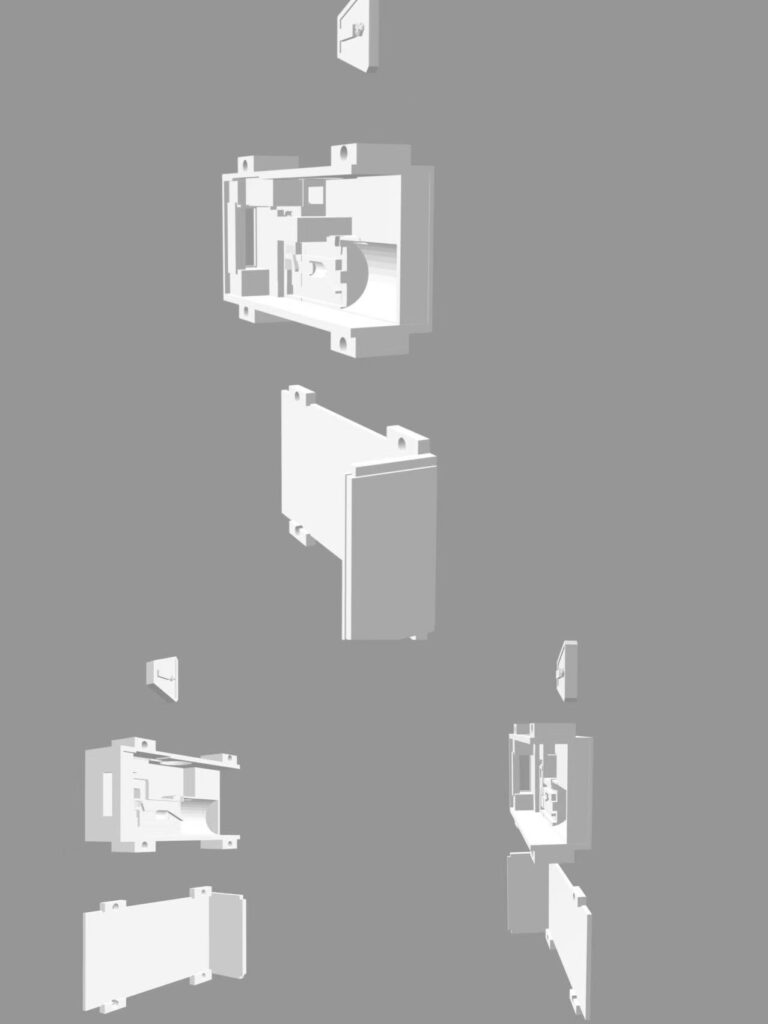
I went through several design iterations, printing prototypes on the school’s 3D printer and making adjustments along the way. After I was satisfied with the casing, I soldered the capacitors onto the circuit. The core idea behind my design was to explore how simple electronic components could be combined into a compact device that stores and releases power in controlled ways, almost like a “mini energy module.”
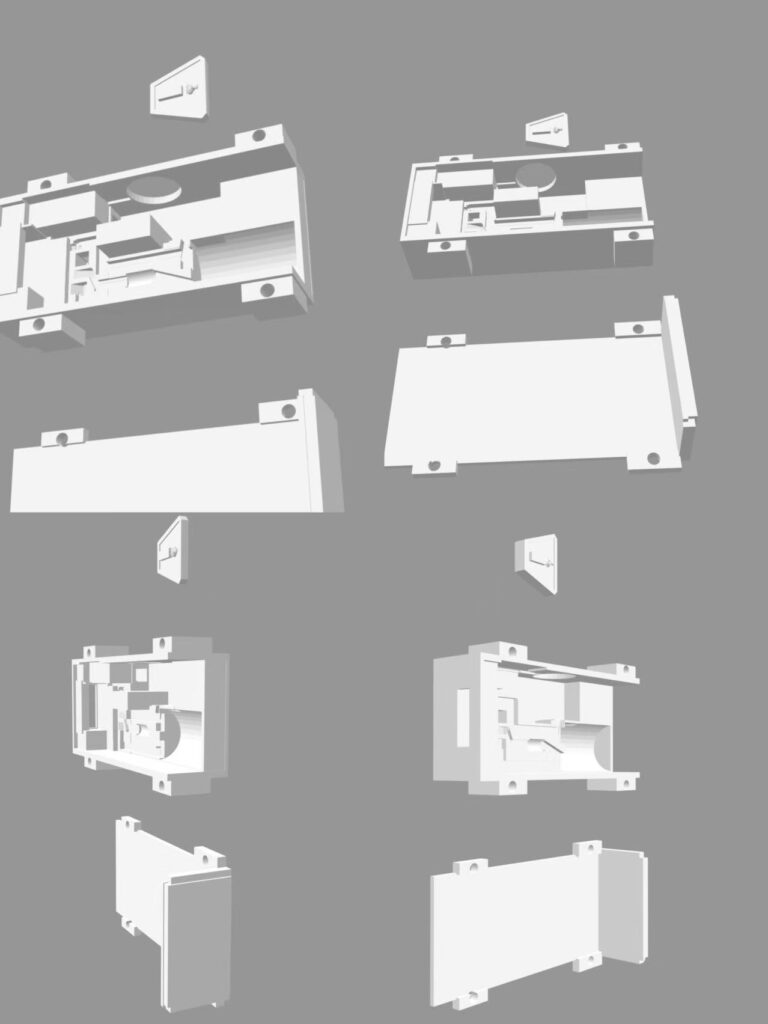
Although I haven’t tested it on my own phone or computer yet (I don’t want to risk any accidents!), my dad offered me some old company computers and test phones for safe trials. I’m still being cautious before plugging it in, but I hope my circuit design works as intended.
At this stage, I am unable to publicly share the internal capacitor design. However, if you are interested, feel free to reach out to me directly. This project is still under continuous development, and I am looking forward to receiving guidance from experts and engaging in discussions with fellow enthusiasts.
Stay tuned for more updates as I continue to refine and improve this concept!